
My Blog
Welcome to blog where I share the tips, tricks, and insights I pick up while learning and growing as a self-taught illustrator.
How to make a plan that works. Why planning in quarters works better than planning a whole year?
There are many core concepts that allow for a more structured and sustainable career. One of the essentials is… planning.

Use Notion to build your creative career
What matters the most if you’re trying to build a creative career is not having the best ideas, but having a system that helps you turn those ideas into reality.

How to sketch every day: introducing Analog Day
Analog Day idea is simple: choose one day a week to put away your phone, mute your notifications, and give yourself permission to just play. It’s not about creating perfect “sketchbook tour” pages, but about finding time for exploration without the pressure of social media (or the fear of failure)

What do you draw when you have no idea what to draw
I’ve built a consistent daily sketchbook habit by shifting my focus from obsessing over what to draw to simply enjoying the creative process. The secret to a consistent sketchbook practice? Sketch first, ask later.

Composition in illustration: lessons from a Pulp Fiction scene
Learn how to improve your picture book composition by analyzing movie stills! In this post, I explore a scene from Pulp Fiction and show how cinematic techniques can inspire storytelling and improve your portfolio illustrations.

How to make your digital art look like traditional
Procreate is amazing because it’s so versatile and portable, but one thing I’ve always struggled with is getting that rich, textured feel of traditional painting. And perhaps a bit of the organic randomness that traditional media have, but digital art often lacks. After a lot of experimenting, I’ve found a few tips and tricks that help me get that traditional painting look in my digital work. So today, I wanted to share them with you. Let’s go!
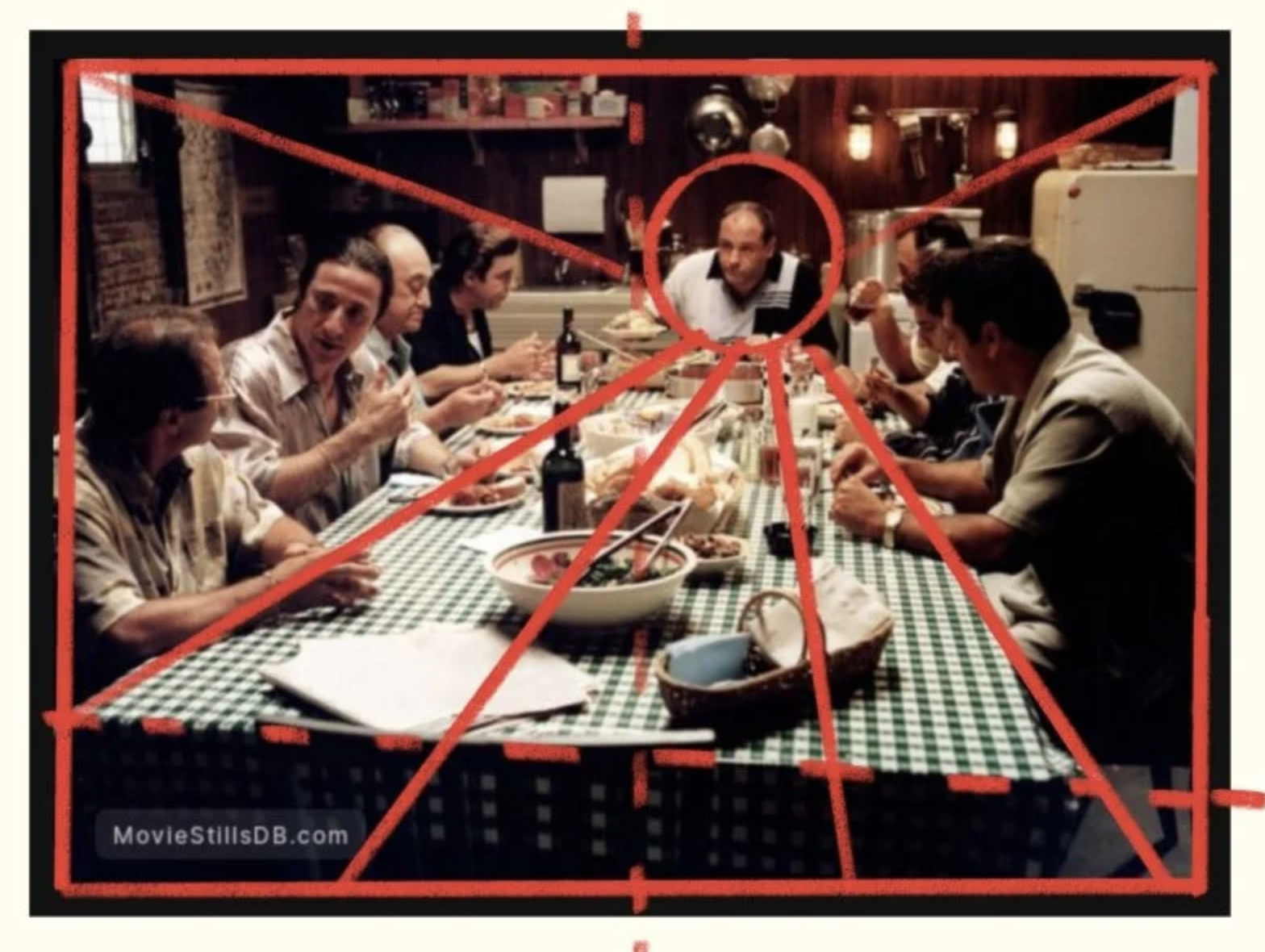
Cinematic Composition: step-by-step guide
Lately, I’ve been challenging myself to get better at composition. One of the most helpful methods I've found is studying movie stills. It’s amazing how much can be learned just by breaking down the visuals. Cinematographers are visual storytelling wizards, so why not borrow a little of their magic to improve your composition skills and build your portfolio?

Illustration composition tips: what artists can learn from cinematography
After submitting my children's book illustration portfolio and receiving rejections in September, I realized that my illustrations were lacked strong composition and dynamic storytelling.
Determined to improve my portfolio, I dove deep into understanding composition techniques for children’s book illustration and found inspiration in animated films and cinematography.

6 Tips on how to draw children’s book illustrations (plus resources)
I’m a self-taught artist who decided to dive into the world of illustrating children’s books. If you're reading this, chances are you're either already on your own illustration journey or thinking about joining the world of children's book illustration yourself.
I’ve learned a lot along the way, and I want to share some of the insights that have helped me grow as an illustrator. Here are my top six children's book illustration tips to help you become a better illustrator.

Why skipping the art fundamentals held me back (and how I fixed it)
When I first started out as an artist, I thought true art came from pure imagination. I believed that the best artists were the ones who could create entire worlds from scratch, without relying on references. To me, art had to be raw and imperfect, free from the constraints of technique. I prided myself on not being “academically” trained. Well, I grew up.

Visual storytelling in children’s book illustration
I thought I had it all figured out. My illustrations were pretty, my colors were harmonious, my technique wasn’t too bad, and I was getting a lot of positive feedback. But when I sent my work to children’s book illustration agencies, I got nothing but rejection. The first few? I brushed them off. After all, rejection is part of the game, right? But the more I received it, the more I began to wonder: What was I missing?
So, I went on a mission to find out.

Meaning of color in art
When I first started out as an illustrator, I had a major preference for blue. Why? Simply because it’s my favorite color! I found myself defaulting to cool tones and blue dominant palettes for almost every piece. I loved the consistency of having a signature color palette, but I quickly realized it was limiting my storytelling.

The Messy, The Ugly, and The Boring in children’s book illustration
Sketching is truly where the magic happens. As an illustrator, I've come to understand that those rough, messy sketches are not just important but essential to the creative process. In this post, I will explain why embracing imperfection is a key to unlocking your best work as an artist.